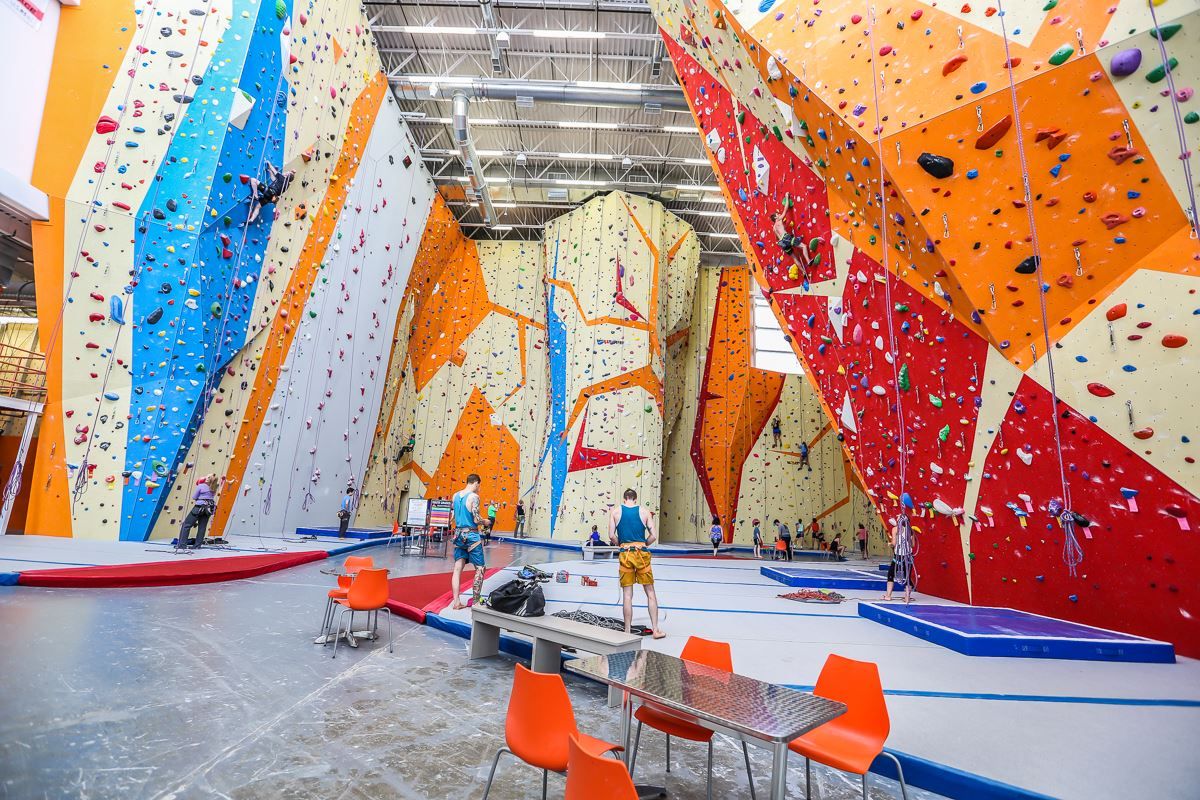
Warming up for climbing with or without a hangboard
Article updated on .
A pulley that pops on the first route of the day means 6 to 8 weeks off. A serious warm-up session means 20 minutes. The maths is quick, and yet warming up remains the step sacrificed first as soon as you’re in a hurry, cold, or your mates are already on their project. This article offers a complete climbing warm-up routine, applicable at the foot of the crag, indoors, or at home before a hangboard session. The 6-step protocol draws on various reading, with field adaptations for the crag and specific training.
Why a structured protocol changes the injury risk
A warm-up does 4 things in parallel. It raises muscle temperature and heart rate, which makes tendons more elastic and lowers their risk of rupture. It activates the neuromuscular system, and the brain regains the fine wiring between intention and contraction. It prepares the finger pulleys to take loads progressively.
The 6-step climbing warm-up routine
Here is the complete sequence. The durations add up to roughly 20 to 25 minutes, to adjust according to the outside temperature and the intensity of the planned session.
Step 1: General cardio (5 to 10 min)
The aim is to raise body temperature and heart rate. At the crag, the approach walk often does the job if it lasts more than 10 minutes and climbs a little. Otherwise, skipping rope, bike, vacuuming at a jog … The idea isn’t to burn yourself out, just to warm up.

Step 2: Joint mobility (3 to 5 min)
Dynamic mobilisation, not static. We’re talking full ranges of motion, without jerking, over 10 to 15 reps per joint:
- Fingers: full flexion and extension of the fingers
- Wrists: wrist rotations one way then the other
- Shoulders: full circles with straight arms, front and lateral raises
- Spine: standing rotations, lateral and forward bends
- Hips: hip rotation and roll with hands on the hips, anterior and posterior pelvic tilt, and circles with one leg bent at the knee, the other straight
TODO image: joint mobility sequence (4 thumbnails: fanned fingers, shoulder circles, thoracic bridge, cossack squat) shot at the foot of a crag or indoors.
Step 3: Antagonist activation (3 to 5 min)
The antagonist muscles in climbing (external shoulder rotators, scapular stabilisers, finger extensors) are chronically under-stimulated in climbers. Waking them up before the session protects the shoulder. A few movements to do:
External shoulder rotations, elbow tucked in
- Scapular pulls (face wall pull-aparts), 2 × 15.
Step 4: Activating the climber’s specific muscles (5 min)
Now we get into the specific work. Assisted pull-ups with a band under your feet or a foot on the ground, 3 sets of 5 reps, without going to failure. This is activation, not strength.
Step 5: Progressive hangs (3 to 5 min)
Five hangs of 5 to 10 seconds, progressively going down in hold size or increasing the load. Start lightened or with a foot on the ground.
Hang set with a foot on the ground: 7” hanging, 3” rest for 2 to 3 minutes, starting at 30% of your max then raising the intensity progressively. 2 to 3 sets
Step 6: Activation volume (5 to 10 min)
Traverse or climb easy routes just to make moves. The goal is to activate coordination and foot placement, and to finish the cardiovascular rise on specific movement. One last important nuance: the end of the specific work should resemble the session to come.
Adapting the warm-up to the type of session
The core of the routine doesn’t change, but the last 5 minutes resemble the session that follows.
| Type of session | Adapted warm-up finish |
|---|---|
| Route at the crag or indoors | 2 to 3 routes below your level (3 grades down), to finish the aerobic work and settle your breathing. |
| Bouldering | Easy problems with a few dynamic moves and a bit of compression, to activate explosiveness. |
| Hangboard session | work progressively closer to the specific effort |
3 common mistakes at the crag
- Climbing cold because you’re in a hurry. It’s the great classic: 20 minutes behind schedule, you skip the warm-up, and that’s the session or the week when the pulley gives way. If you’re late, cut the end of the session short, not the start.
- Doing too intense a warm-up. 15 minutes of all-out pull-ups and 30 minutes of bouldering isn’t a warm-up, it’s half a session. You arrive at your project already drained.
- Passive straight-arm hangs. Hanging without engaging the shoulder, arms fully extended, passively loads the shoulder capsules. The shoulders must always stay engaged (scapulae retracted and depressed, arms slightly bent). The hang stays active, never fully straight arms with relaxed shoulders.
Frequently asked questions
What’s the minimum time to warm up for climbing?
Count on 15 minutes before easy bouldering, 20 to 25 minutes before a route session or a limit project, 25 to 30 minutes before max strength work or campus board.
Should you re-warm between two attempts on a project?
Yes, especially if the project is long or if the rest between attempts is long. Not a full warm-up, but a few joint movements, activation of the big muscles and a few sub-maximal hangs.
How to warm up cold at the crag in winter?
Extend the general part to 15 minutes (a brisk approach walk + skipping rope), keep your technical layers on until the last moment, and add 5 minutes of mobility instead of 3. The progressive hangs start more lightened than usual (band under the feet from the very first one). At 5 °C, your climbing warm-up routine easily runs 35 to 40 minutes.
Quick climbing warm-up routine when you’ve got 10 minutes?
If you’re really stuck: 3 minutes of cardio (skipping rope or burpees), 1 minute of shoulder and finger mobility, 1 minute of antagonist band work, 2 short hangs on a jug, and a boulder well below your level for the last 3 minutes. But treat this as an exception, not a habit, and lower the intensity of your session accordingly.
A propos de l’auteur
Woodrock c’est le mariage de 2 passions : la menuiserie et l’escalade. Concevoir, fabriquer, usiner et vous envoyer des poutres d’escalade de qualité est une partie de mon quotidien. Le reste du temps, j’aime grimper sur les falaises des contreforts du Vercors.