
Our craftsmanship
Driven by his passion for woodworking and climbing, Jo designs and builds the climbing hangboards himself from A to Z.
The Woodrock workshop is located at the foot of the Vercors mountains, renowned for their many climbing sites. You are welcome to come and discover this magical place, visit this artisanal production site and enjoy the surrounding natural setting.
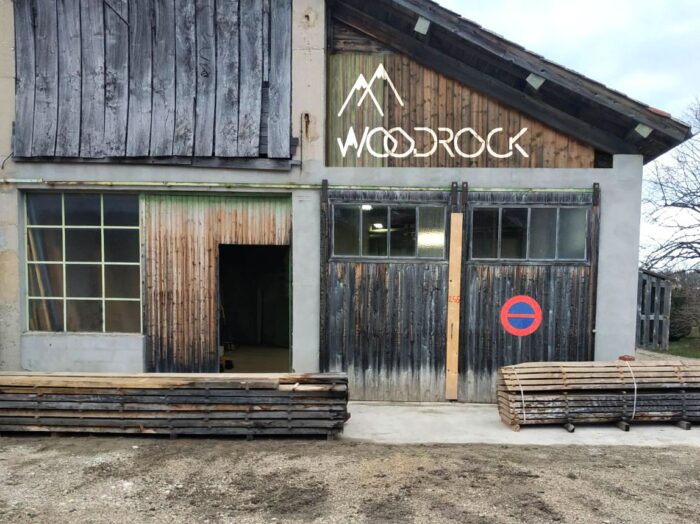
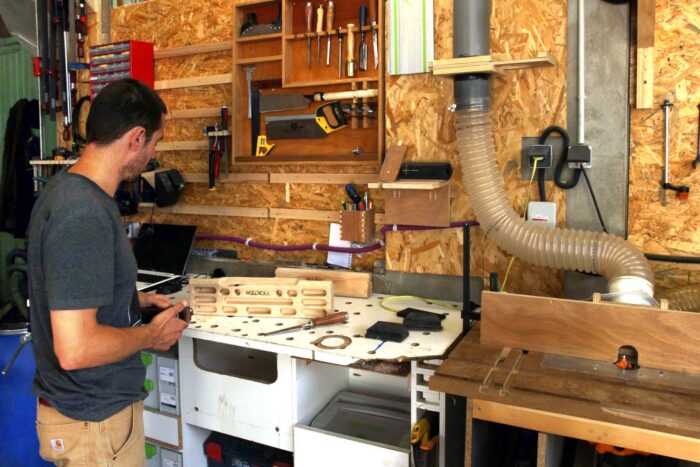
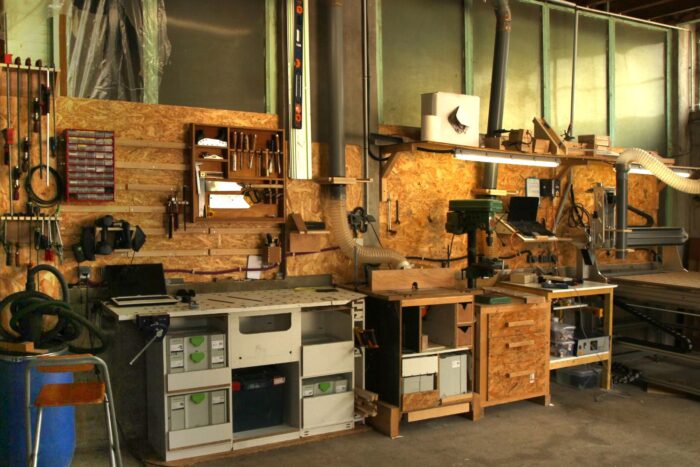
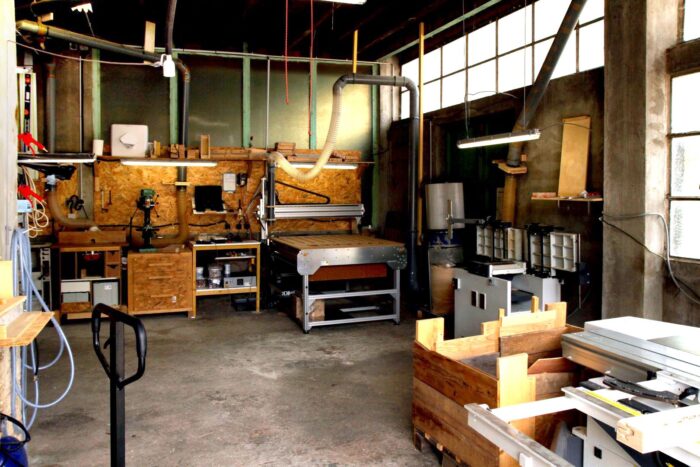
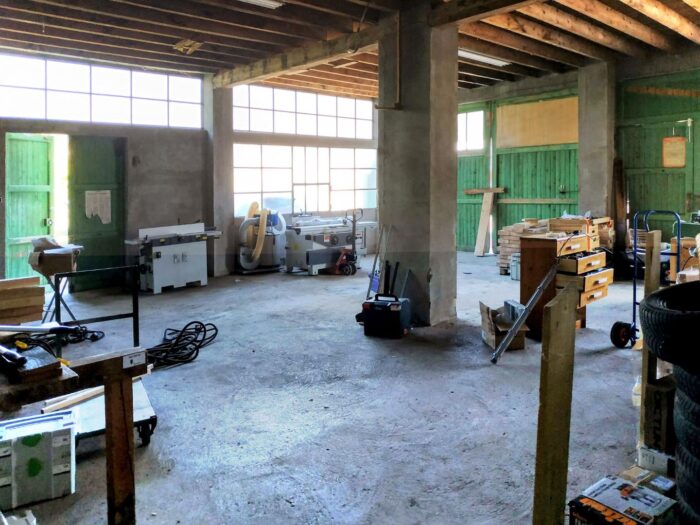
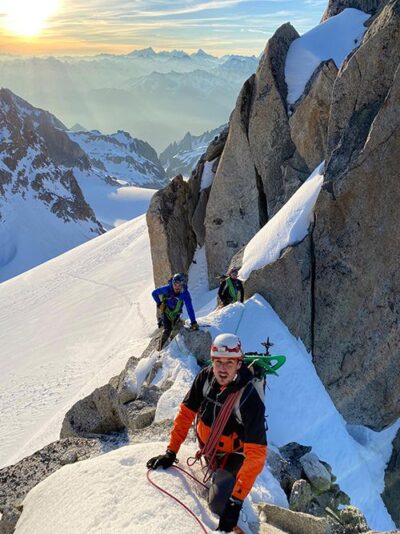
Jo MAUDUIT is the founder of Woodrock, but he is first and foremost a passionate woodworker. This craft, for which he has a deep and longstanding attachment of over 10 years, has become his main profession over time.
He is also a climbing enthusiast. If you can’t find him in his workshop, he is probably somewhere on a nearby crag.
His early studies in sports science ultimately proved invaluable. The knowledge he gained in biomechanics and strength training now allows him to make the essential link between climbers’ needs, the exercises they want to practise and the tool that will help them achieve their goals: the climbing hangboard.
Woodrock therefore develops climbing training equipment in wood, artisanal, ergonomic and premium quality, following long hours of work, reflection and in-depth analysis. All equipment is entirely made on-site with no subcontracting. From design to finishing, everything has been thought through to combine effectiveness with premium quality.
You will appreciate the care and quality when you discover the behind-the-scenes of our manufacturing processes.
Design
Needs: Jo begins by gathering the needs of climbers through interviews and questionnaires. Following these exchanges, design ideas take shape and become clearer over the weeks that follow. Needs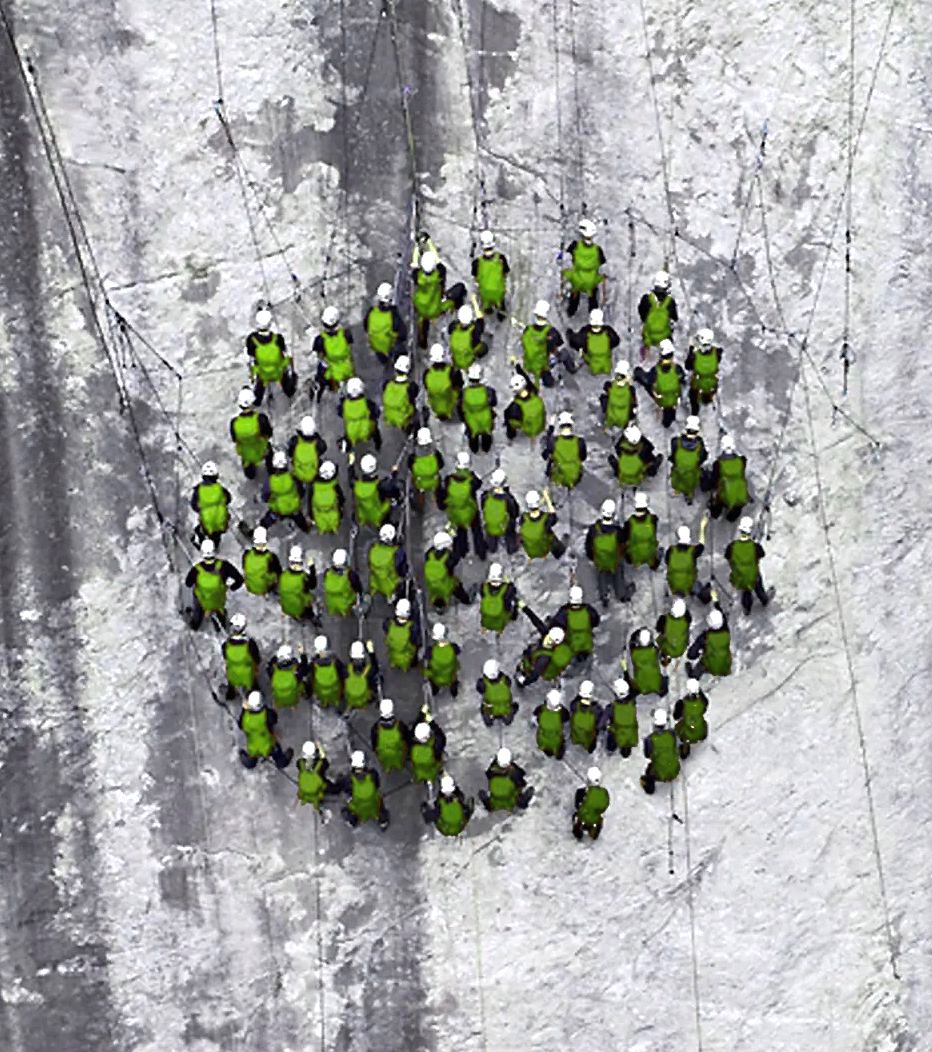
Image reworked from a photograph by Robert Boesch
Sketches: The design of a climbing hangboard cannot do without a freehand drawing phase, during which the curves are refined and the model takes shape.Sketches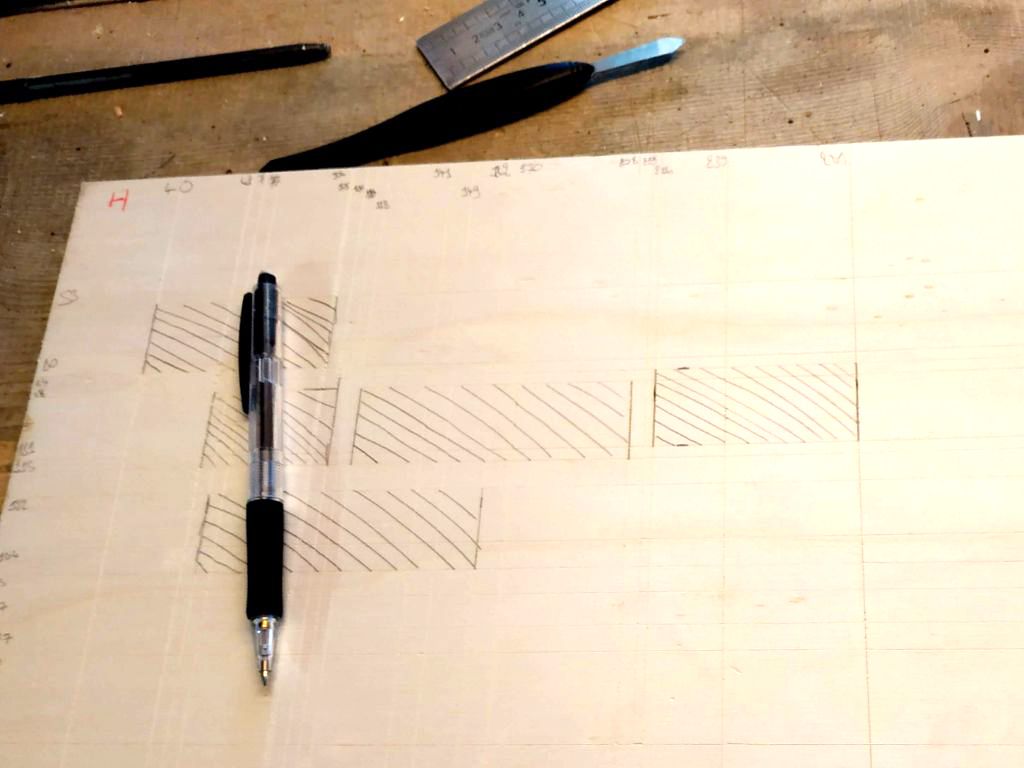
3D Modelling: Computer modelling allows us to define very precisely the shape and dimensions of the future object. It also helps to plan the manufacturing process.3D Modelling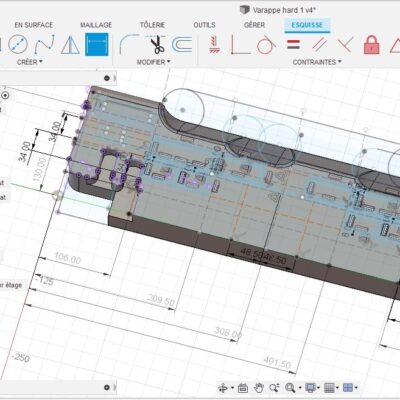
Prototyping: From this model, Jo produces different prototypes that are tested by climbers. Based on their feedback, he makes adjustments as needed, to arrive at a hangboard that perfectly meets climbers’ needs, both functionally and ergonomically.Prototyping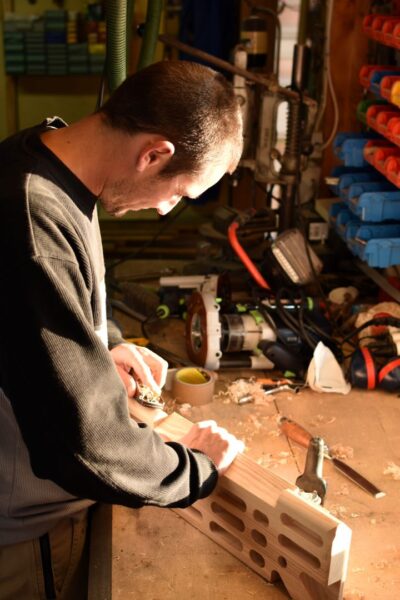
Manufacturing
Receiving the wood: The wood species used is ash. It was chosen for its aesthetic qualities and stability. The selected wood comes exclusively from French forests (generally within 300 km of the workshop).Receiving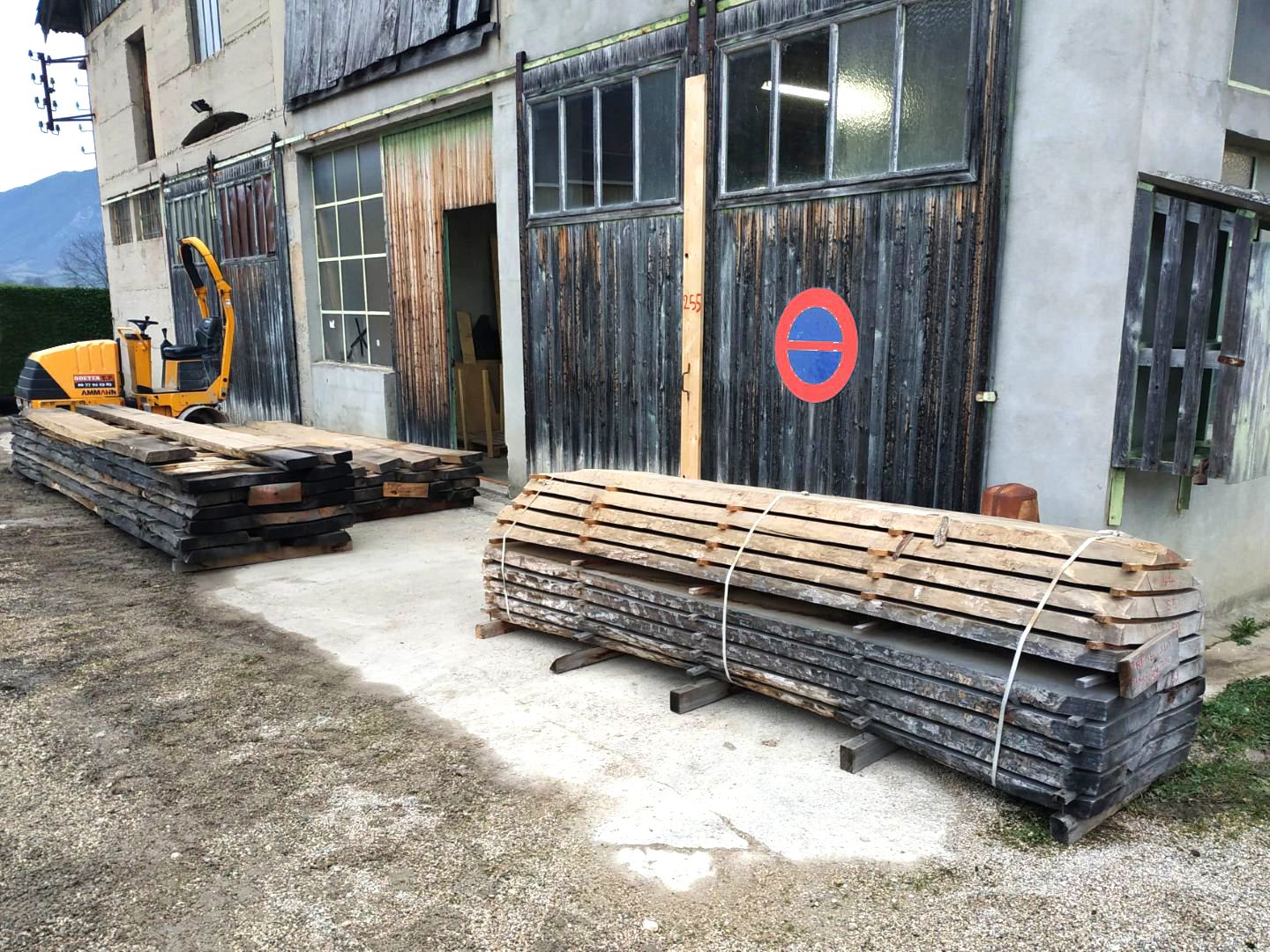
Crosscutting: The received timber boards are roughly cut into several basic segments.Crosscutting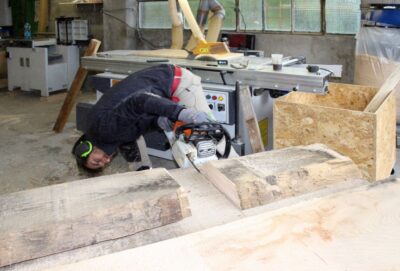
Ripping: A finer cut with the table saw refines the pieces that will house the future models.Ripping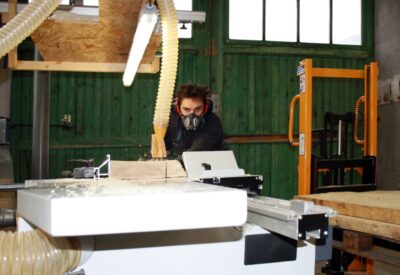
Jointing: The jointer is used to flatten the first face of the rough boards. This flat face becomes the reference surface for machining the others.Jointing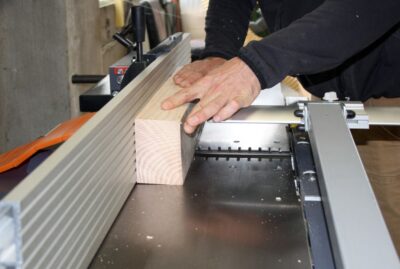
Planing: Planing achieves the desired thickness for the future hangboards, ready to be finely worked.Planing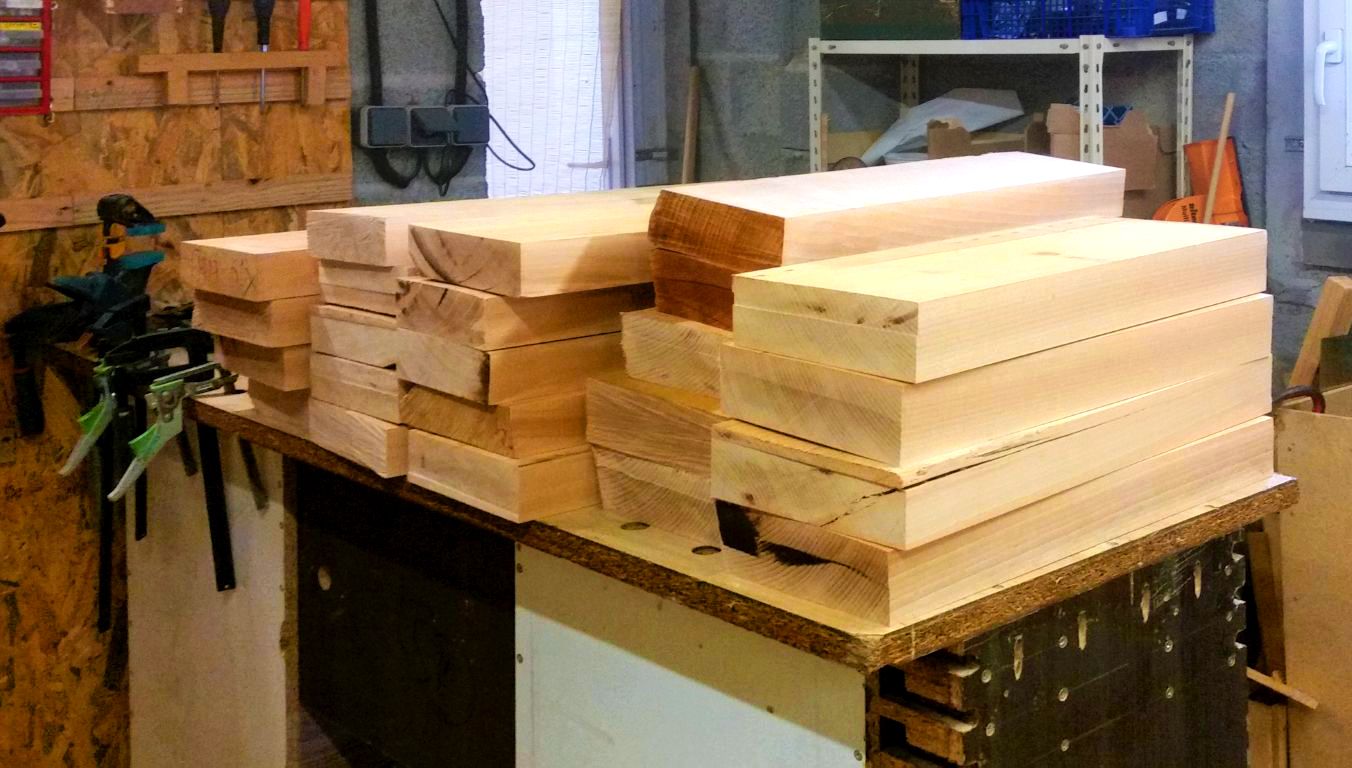
Routing: The notches that will form the different holds are carved out.Routing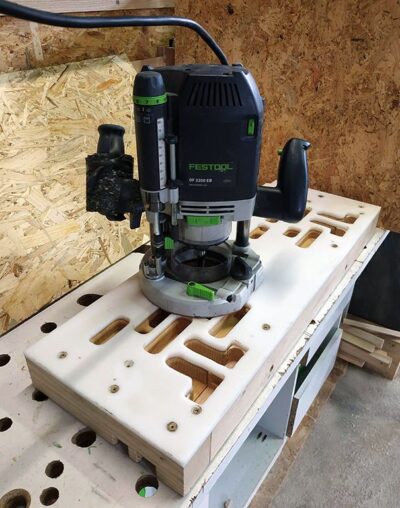
Spindle moulding: The flat edges and handles of the hangboards are then shaped using a spindle moulder.Spindle moulding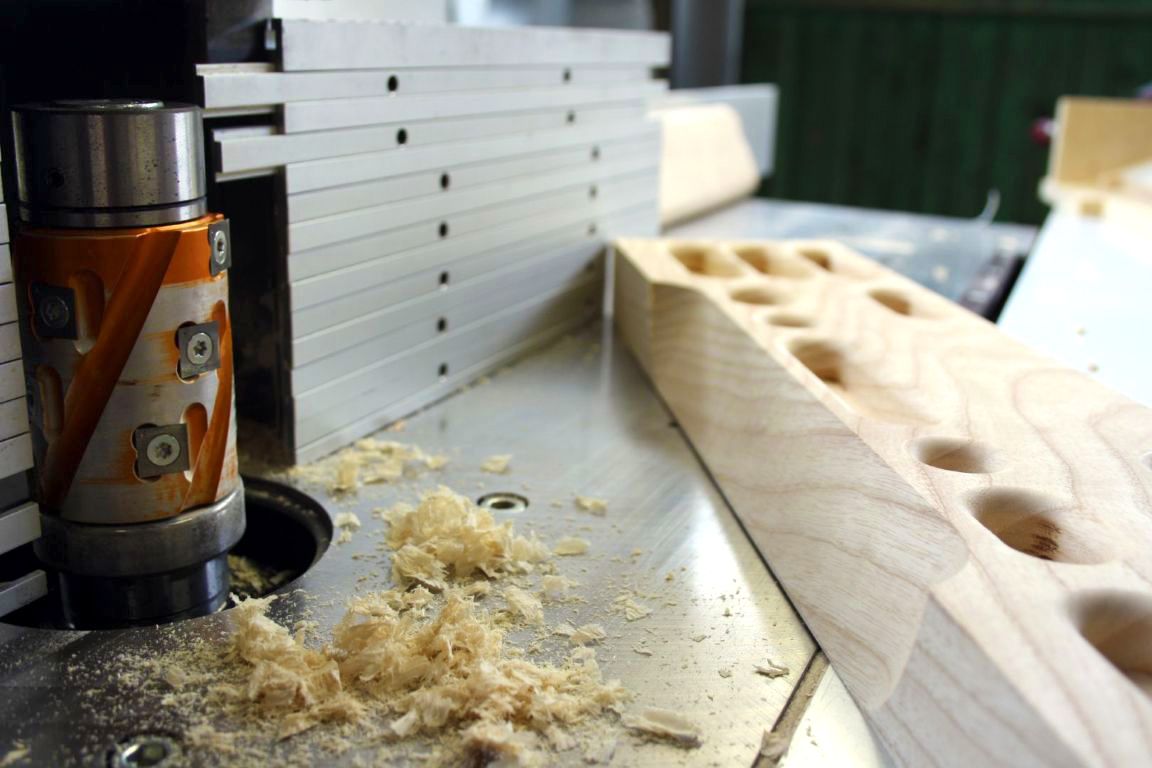
Drum sanding: The drum sander further refines the curves of the rounded parts of the hangboard, which is now nearly complete.Drum sanding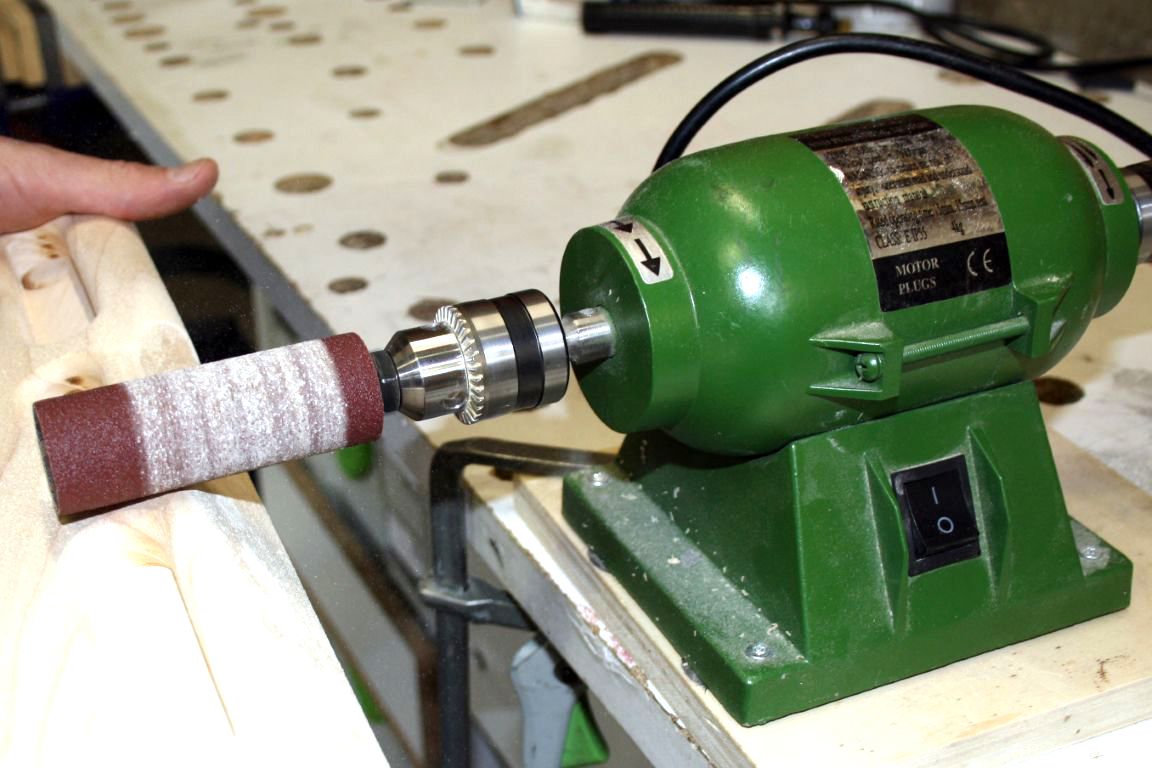
Finishing: Finally, a light manual sanding with sandpaper removes the last micro-imperfections and gives the equipment its satin appearance and perfect finish.Finishing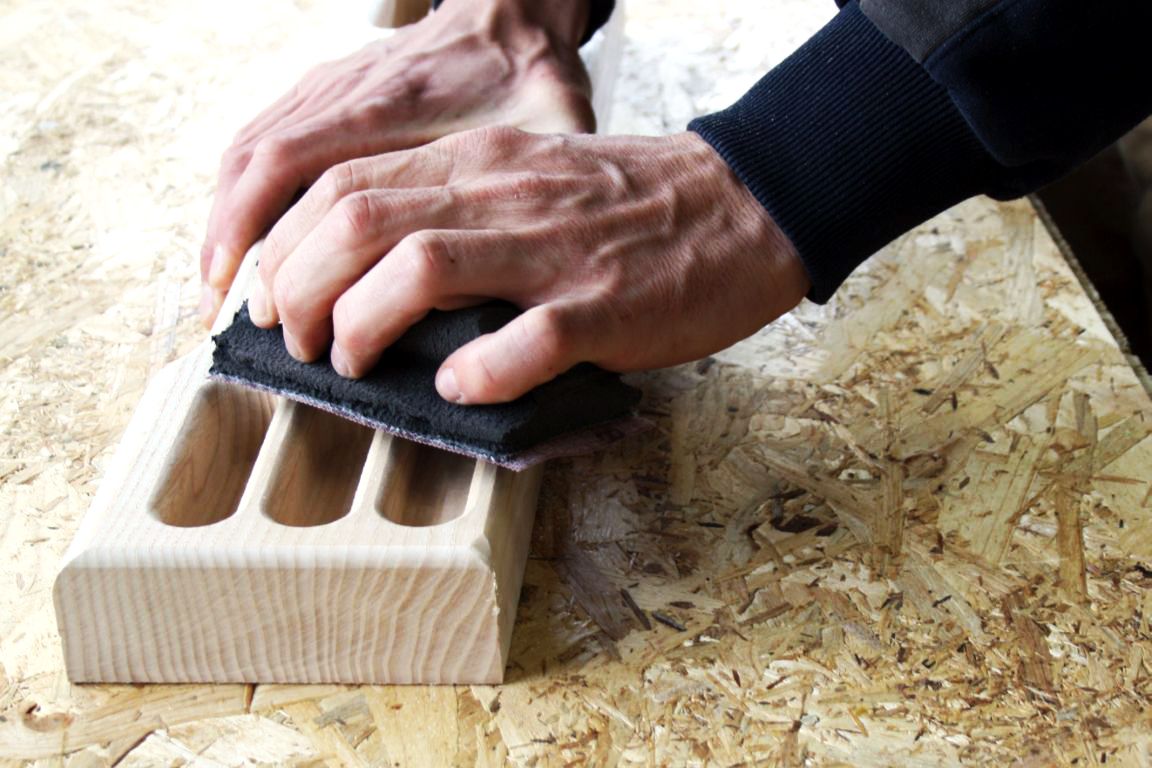
Woodrock would like to thank all the climbers who gave their time, patience and valuable advice, including:
Henri LELIEVRE, Jordi PUIG, Guillaume B., Manon HILY, Laurence GUYON and Olivier BROUSSOULOUX.